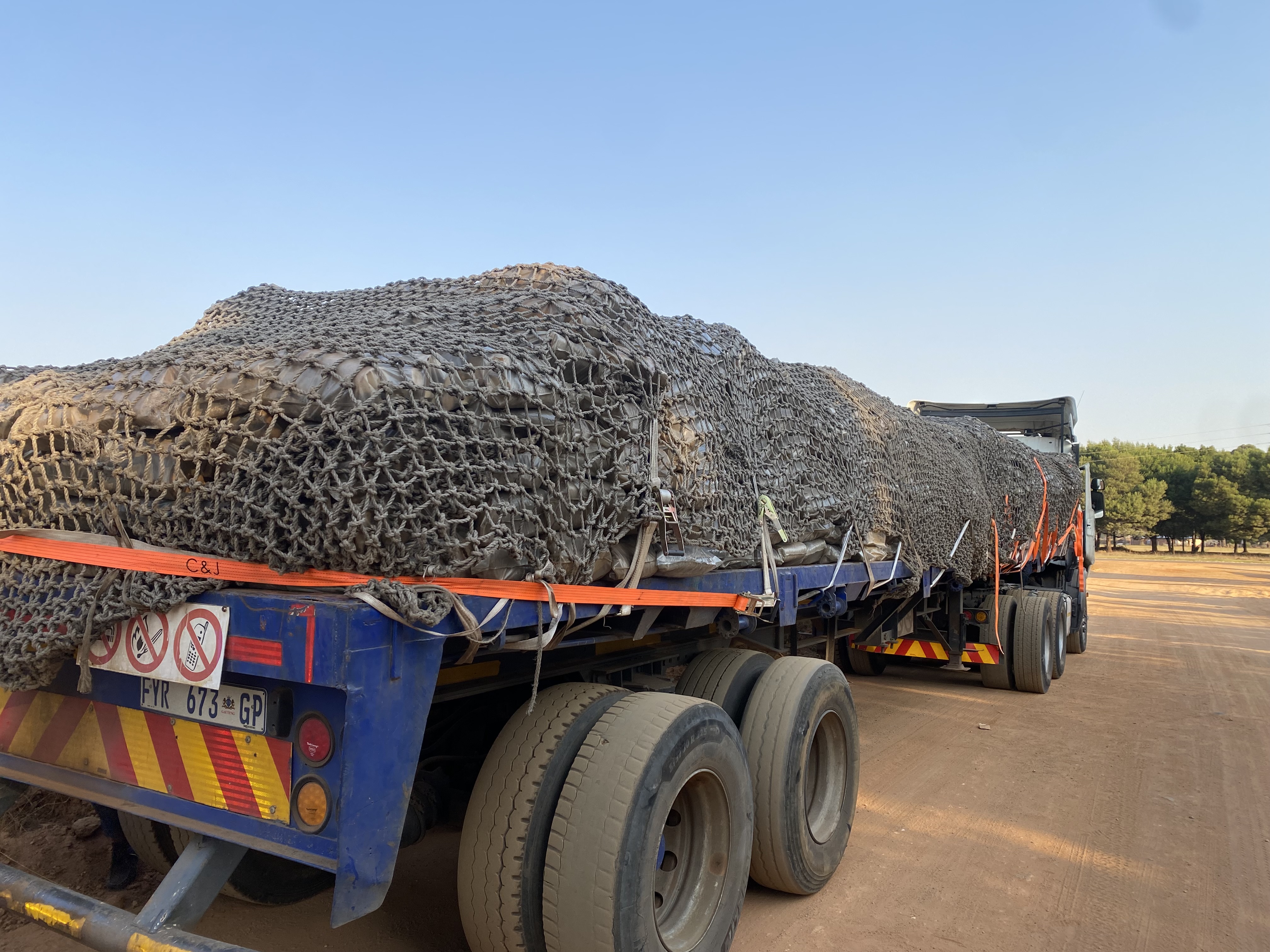
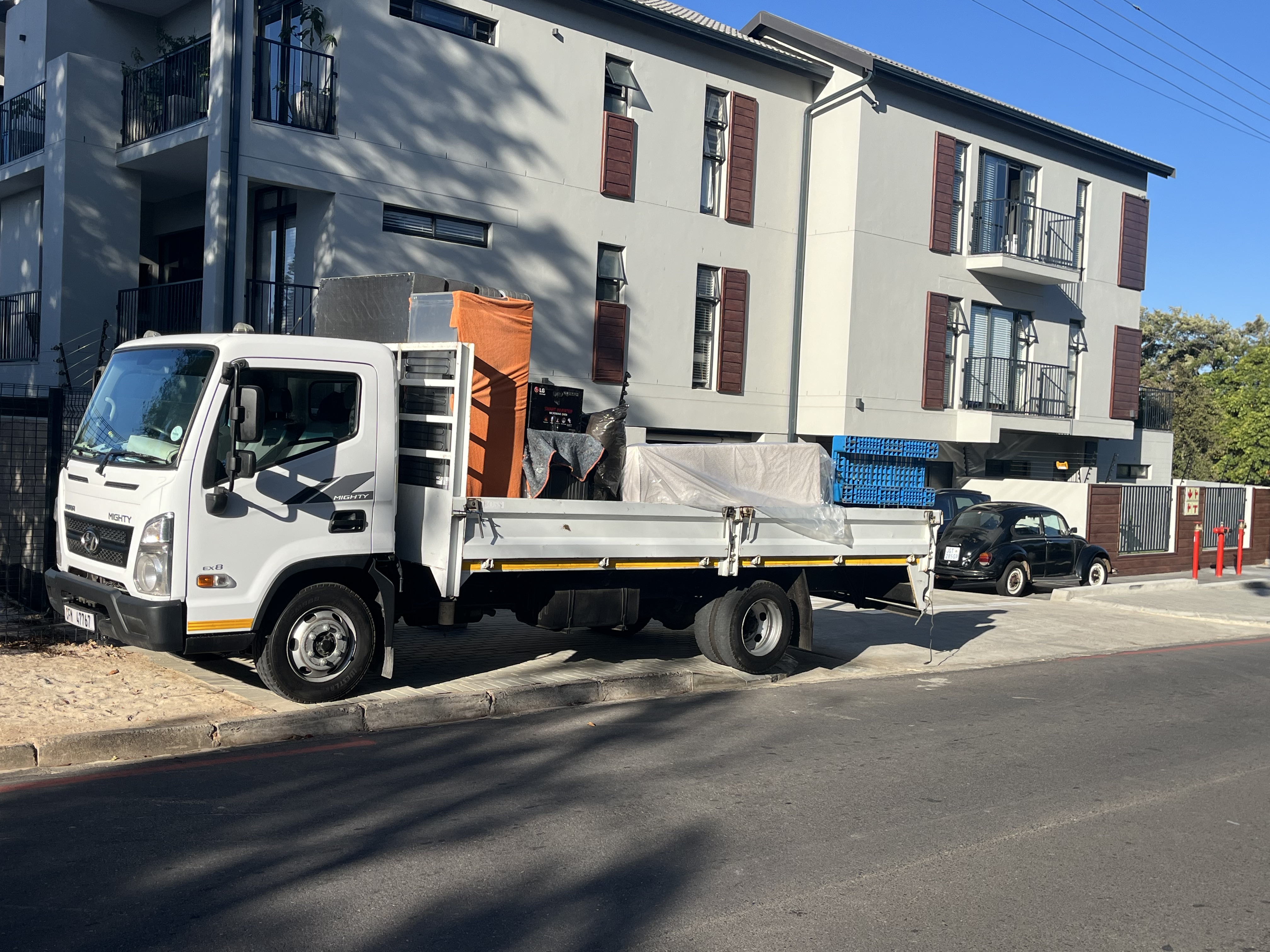
Water Tanker Hire in Zambia, Lusaka — Water Trucks, Water Carts & Bowsers for Every Job
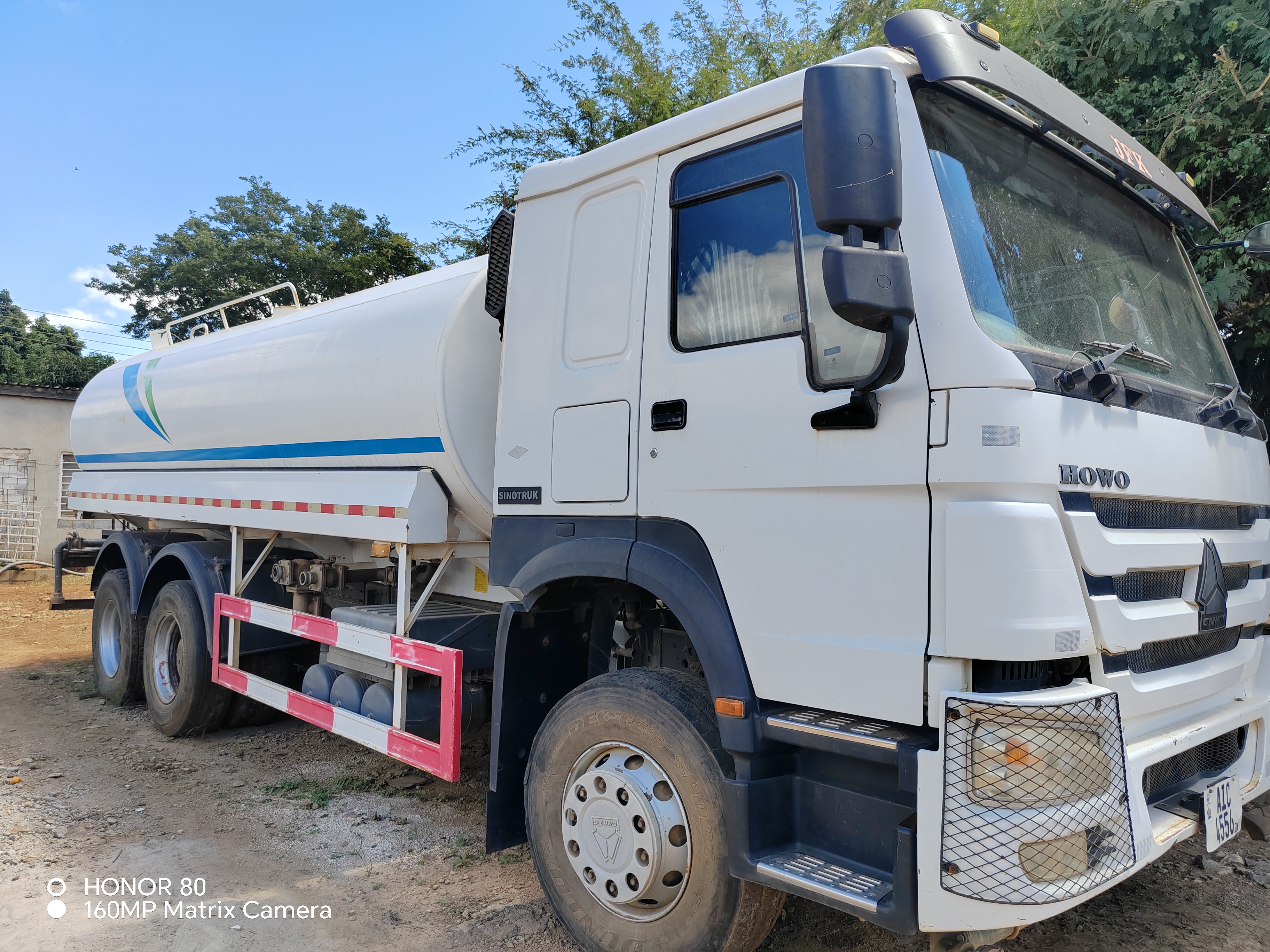
Verified transporter: water tanker hire in Zambia, Lusaka, chondo kabwiri. Available for hourly, daily, weekly, monthly and long-term contracts.
Quick answer
A water tanker truck (also called a water cart, water bowser, or water truck) is a truck or trailer fitted with a large tank and a pumping and spraying system for transporting and distributing water. In Zambia, Lusaka you can hire a water tanker in every size: bakkie-mounted (500–1,000 litres), 4–5 ton (4,000–6,000 litres), 8–10 ton (8,000–12,000 litres), and 34 ton superlink (up to 34,000 litres). Prices start from R840.00 per day or R14.00 per km with a driver. Used for dust suppression, construction water, irrigation, events, and firefighting support.
Why Water Tankers Are Essential to South African Industry
South Africa is a water-scarce country, and getting the right amount of water to the right place at the right time is a logistical challenge that every construction site, mine, farm, quarry, event, and municipality faces every day. Municipal water connections are often unavailable, insufficient, or unreliable. Borehole water needs to be pumped and distributed. Dust suppression on haul roads is a continuous, legal requirement. Agricultural irrigation has to happen on a schedule that plants dictate, not on a schedule that infrastructure can deliver.
That is why the water tanker is one of the most versatile vehicles in the hire market. A single truck can serve as a construction site water supply, a dust suppression water cart, an irrigation bowser, an event water source, and a firefighting resupply vehicle — often on the same day, on the same contract, with the same driver. The tank is the flexible, mobile water infrastructure that fills the gap between where the water is and where the water needs to be. Our water tanker fleet covers every tank size from 500 litres to 34,000 litres, so you can hire exactly the capacity your job needs — not the largest tanker on the yard, and not a compromise on a smaller one. Whatever your water logistics challenge is, there is a water tanker configuration that solves it.
At a Glance — Water Tanker Specifications by Size
| Available sizes | Bakkie-mounted (500–1,000 L) · 4–5 ton (4,000–6,000 L) · 8–10 ton (8,000–12,000 L) · 34 ton rigid or semi (20,000–30,000 L) · 34 ton superlink (up to 34,000 L) |
|---|---|
| Tank construction | Steel or stainless steel cylinder · internal baffles to reduce water surge |
| Filling method | Top-fill hatch · bottom-fill coupling · pump suction from any water source |
| Discharge method | Gravity outlet · pump discharge · rear spray bar for dust suppression · high-pressure hose reel for firefighting |
| Spray bar width | 2 m to 12 m depending on configuration |
| Filling time | 500 L in 2–3 min · 5,000 L in 15–20 min · 20,000 L in 60–90 min |
| Water level gauge | Sight glass or electronic level indicator fitted as standard |
| Common applications | Dust suppression · construction water · agriculture · events · firefighting · municipal supply |
| Licence (small tanker) | Code 8 for bakkie-mounted · Code 10 (C1) for 4–5 ton |
| Licence (large tanker) | Code EC + PrDP for 8 ton and above |
| Driver supplied | Yes — professional drivers experienced with water distribution operations |
| Service area | Zambia, Lusaka, chondo kabwiri, nationwide and cross-border on request |
Choose Your Water Tanker Size
Water tankers come in every commercial size class. The right choice depends on your required tank capacity, the daily water demand, the distance between the water source and the job site, and whether the tanker will be stationary (event supply) or mobile (dust suppression, irrigation). Here are the five sizes most requested in Zambia, Lusaka.
Bakkie Water Tanker Hire (500–1,000 L)
500-1,000 LCode 8 licenceSmall jobsThe bakkie water tanker is a 1 ton bakkie fitted with a plastic or steel water tank and a small 12 V or engine-driven pump. It is the smallest and cheapest water tanker option — ideal for small gardens, home dust control, small construction sites, tree watering, and once-off water deliveries. Typical tanks range from 500 to 1,000 litres, and the pump can discharge into a small hose for watering or spraying.
Best for: garden watering, small landscaping jobs, home dust suppression, tree and plant watering, once-off water deliveries, and small construction or maintenance jobs.
Typical industries: landscaping, home services, small construction, nurseries, and small property maintenance.
Why customers choose it: the cheapest way to move a small quantity of water. Code 8 (B) licence is sufficient, easy to park and manoeuvre, and can access residential driveways and small properties that larger tankers cannot reach.
4–5 Ton Water Tanker Hire (4,000–6,000 L)
4,000-6,000 LCode 10 licenceSmall-medium sitesThe 4–5 ton water tanker is a rigid truck with a 4,000 to 6,000 litre tank and a mid-size pump. It is the entry-level commercial water tanker — the standard configuration for smaller construction sites, roadworks, small dust suppression routes, medium landscaping jobs, and short-haul irrigation. Rear spray bars are fitted for dust suppression work, and a top-fill hatch with a suction hose lets the driver fill from any accessible water source.
Best for: small to medium construction sites, roadworks, dust suppression on access roads, medium landscaping, small farm irrigation, event water supply, and once-off water deliveries up to 6,000 litres.
Typical industries: construction and civil engineering, roadworks, agriculture, landscaping, quarrying, and general site services.
Why customers choose it: the smallest tanker that still does commercial work. Cheaper to run than an 8–10 ton tanker and small enough to access residential and tight commercial sites, but with enough capacity to serve a full construction crew's daily water demand.
8–10 Ton Water Tanker Hire (8,000–12,000 L)
8,000-12,000 LCode EC licenceDust suppression standardThe 8–10 ton water tanker is the workhorse of the water cart industry. It carries 8,000 to 12,000 litres and is the standard configuration for dust suppression on mine haul roads, quarry access roads, long construction corridors, and municipal gravel roads. The tank is fitted with internal baffles to prevent water surge during transit, and the pump and spray bar are sized for continuous operation at road speed. Rear spray bar, side spray nozzles, and a front spray bar are available as options.
Best for: dust suppression on mine haul roads and gravel access roads, roadworks water carts, large construction sites, agricultural irrigation for medium-sized farms, and continuous dust control on any long route.
Typical industries: mining, quarrying, construction and civil engineering, agriculture, municipal road maintenance, and bulk material terminals.
Why customers choose it: the standard size for real dust suppression work. Continuous coverage at road speed, enough tank capacity for meaningful spray run lengths, and the pump and spray bar configuration specifically designed for dust control. This is the tanker that mines, quarries, and road contractors hire on monthly contracts.
34 Ton Water Tanker Hire (20,000–30,000 L)
20,000-30,000 LArticulated rigBulk water deliveryThe 34 ton water tanker is an articulated rig — truck-tractor with a 20,000 to 30,000 litre water tank mounted on a semi-trailer chassis. It is the standard configuration for bulk water delivery where the water source and the job site are far apart, or where large quantities of water are needed at a fixed location. The tanker can be fitted with a large-capacity pump and hose for high-rate discharge into other tanks, reservoirs, or firefighting equipment. Common configurations also include rear spray bars for high-volume dust suppression on mine haul roads.
Best for: bulk water delivery over long distances, high-volume dust suppression on large mine sites, agricultural irrigation for large farms, municipal bulk water supply, and firefighting water resupply at scale.
Typical industries: mining, agriculture, municipal services, bulk water distribution, forestry, and large-scale construction.
Why customers choose it: the maximum volume per trip without going to a superlink. When the water source is 50 km from the job site, running a 10,000 litre tanker back and forth all day is inefficient — a 30,000 litre tanker delivers three times the water per trip, at a fraction of the cost per litre delivered.
34 Ton Superlink Water Tanker Hire (up to 34,000 L)
Two trailersUp to 34,000 LMaximum volumeThe 34 ton superlink water tanker is a truck-tractor towing two water tank trailers in series — total capacity up to 34,000 litres across the two tanks. It is the highest-volume water tanker configuration available without going to dedicated road tankers. Used for the largest bulk water delivery contracts, high-volume irrigation for commercial farms, and mine water supply where the source is remote. The two-trailer format means one tractor and one driver deliver twice the volume per trip compared to a single-trailer 30,000 litre tanker, which is critical when the water source is distant.
Best for: bulk water delivery to remote sites, commercial farm irrigation, mine water supply where the source is distant, and any contract where the cost per litre delivered needs to be minimised.
Typical industries: large commercial agriculture, mining, bulk water distributors, and remote municipal supply.
Why customers choose it: maximum litres per trip at the lowest cost per litre. Ideal when the water source and the discharge point are far apart and running smaller tankers repeatedly is impractical.
Water Tanker Applications — What Water Trucks Do in South Africa
| Application | Typical tanker size | Key features |
|---|---|---|
| Dust suppression (mine haul roads) | 8–10 ton, 34 ton | Rear spray bar, front spray bar, cab controls, pump for continuous spray at road speed |
| Dust suppression (construction access roads) | 4–5 ton, 8–10 ton | Rear spray bar, spray width 4–8 m, spray rate control |
| Construction water (compaction, batching) | 4–5 ton, 8–10 ton | Large pump for fast discharge, hose reel, gravity outlet |
| Agricultural irrigation | 4–5 ton, 8–10 ton, 34 ton | Large pump, irrigation hose fittings, ability to feed drip or sprinkler systems |
| Livestock and game watering | 4–5 ton, 8–10 ton, 34 ton | Gravity outlet, drinking trough filling, and ability to fill farm reservoirs |
| Event water supply | 4–5 ton, 8–10 ton | Potable water tank, drinking water fittings, hand-wash stations, and event water points |
| Firefighting support | 8–10 ton, 34 ton | High-pressure pump, fire hose reel, quick-connect fire fittings, water cannon |
| Municipal bulk water supply | 8–10 ton, 34 ton, superlink | Large pump, potable-grade tank, water delivery scheduling |
| Industrial cleaning | 4–5 ton, 8–10 ton | High-pressure pump, spray gun, hose reel, detergent injection where required |
| Dust control at ports and terminals | 8–10 ton, 34 ton | High-volume spray bar, wide coverage, continuous operation |
Water Tanker Hire Prices in Zambia, Lusaka
Water tanker hire pricing depends on the tanker size, the job type, whether the driver fills and drives continuously or only delivers, and the length of the contract. Dust suppression contracts are often quoted per hour or per day. The two standard options below cover the vast majority of bookings.
Option 1 — Truck + Tanker Only
Self-drive, no driver
R 840.00 / Day
R 14.00 / km
Licence varies by size — see specifications above. Fuel, tolls, water source charges and driver excluded.
Enquire NowOption 2 — Truck + Driver
Full day with professional driver Best value
R 980.00 / Day
R 15.40 / km
Driver, insurance and goods-in-transit cover included. Ideal for dust suppression contracts and continuous delivery.
Chat on WhatsAppWhat Affects the Cost of Water Tanker Hire?
- Tanker size: the biggest single factor. A bakkie-mounted 500 litre tank costs a fraction of a 34 ton 30,000 litre tanker, and pricing scales with capacity, pump size, and vehicle class.
- Job type: a stationary event water supply (tanker parks, water is drawn from the tank) is priced differently to continuous dust suppression (tanker drives a route, spraying continuously) or bulk delivery (tanker shuttles between source and site). Tell us the exact job at booking.
- Distance: the per-kilometre rate drives your final price on delivery jobs. Local trips within Zambia, Lusaka are charged differently to long-distance delivery contracts.
- Water source: if your water source is a municipal hydrant, you need a standpipe and sometimes a permit. If it is a borehole, river, or dam, you need the landowner's permission. Water source charges — the cost of the water itself — are the client's responsibility and are quoted separately.
- Driver requirement: adding a professional driver adds a fixed daily fee but removes licensing, fatigue, and liability risk. For continuous dust suppression work, an experienced driver is essential.
- Spray bar configuration: rear spray bar is standard. Front spray bar, side nozzles, and wide-coverage spray bars are available as extras and are quoted per job.
- Firefighting configuration: high-pressure pump, fire hose reel, water cannon, and quick-connect fire fittings are quoted separately from a standard water tanker configuration.
- Standby time: waiting time at the water source or discharge point beyond the agreed free period is charged hourly.
- Duration and contract: weekly, monthly and long-term contracts attract significant discounts over daily rates. Dust suppression contracts on mine sites are typically quoted on a per-hour or per-month basis.
Industries We Serve with Water Tankers in Zambia, Lusaka
- Mining: dust suppression on haul roads and ROM pads, compaction water on tailings dams, and mine site water supply on 8–10 ton and 34 ton water carts.
- Quarrying: continuous dust suppression on quarry access roads and crusher feed areas.
- Construction: site water supply for compaction, concrete mixing, batching, welfare facilities, and dust control on access roads.
- Roadworks: compaction water for road base preparation and dust suppression during construction and seal work.
- Agriculture: irrigation for crops, orchards, and vineyards, plus livestock watering for cattle, sheep, goats, and game.
- Municipal services: bulk water delivery to areas without piped supply, and water supply during outages and maintenance.
- Events: drinking water, hand-washing water, kitchen water, and dust control water at festivals, sports events, weddings, and film shoots.
- Firefighting: water resupply for fire trucks, wet-firebreak spraying, and bush fire suppression support.
- Forestry: firebreak maintenance, dust suppression on forestry access roads, and tree-establishment watering.
- Landscaping: garden and estate watering, dust control on access routes, and tree-watering during establishment.
- Industrial: dust control at ports and bulk material terminals, plus industrial cleaning applications.
Dust Suppression Water Carts — The Most Common Water Tanker Job
Dust suppression is the single most common application of water tankers in South Africa, and it is worth explaining in detail because the configuration and the operating pattern matter more than on any other water tanker job. Dust on unpaved haul roads, construction access roads, and material handling areas is a legal compliance issue (National Environmental Management Act and Mine Health and Safety Act), a health issue (respirable crystalline silica and PM10 particulates), and a visibility issue. A properly specified water cart with the correct spray bar, pump, and driver practice is the standard solution.
Dust suppression water carts are configured with a rear spray bar carrying 4 to 8 spray nozzles across a spray width of 2 to 12 metres, with cab-mounted spray controls and a pump sized to maintain consistent flow at road speed. The correct application is a light, even film of water — not a soaked road. Over-watering creates mud, damages the road surface, increases tyre wear, and simply wastes water. Under-watering does not control dust. The driver's technique — speed, spray rate, and pattern — is the difference between effective dust suppression and expensive water waste. Our dust suppression drivers are trained on the correct spray rate for different road surfaces and weather conditions.
Where Does the Water Come From?
Water tankers can fill from any accessible water source. The source determines the filling time, the filling method, and whether permits or permissions are required:
- Municipal hydrants: the most common source for urban construction sites. Requires a standpipe and, in some municipalities, a water use permit. Filling rate is fast (2–20 minutes depending on tank size).
- Municipal bulk water filling stations: dedicated filling points where water tankers fill legally and quickly. Common in most large metros.
- Boreholes: common on farms and mines. Requires the borehole owner's permission and confirmation that the extraction does not exceed the borehole's tested yield.
- Rivers, dams and canals: common for agricultural irrigation and remote construction. Requires the landowner's permission and, in some cases, a water use authorisation from the Department of Water and Sanitation.
- Farm reservoirs and irrigation systems: common on agricultural properties. Filling from an existing farm reservoir or a pump point on an irrigation line is usually straightforward.
- Process water sources: mine and quarry sites often have process water available (settling ponds, tailings return water, pit water). This is commonly used for dust suppression and does not require potable-grade water.
Water source charges — the cost of the water itself — are the client's responsibility and are quoted separately. Potable water for events, drinking, and welfare must be sourced from a potable supply and the tank must be dedicated to potable use. Tell us your water source at booking so we confirm access, hose arrangements, and filling time.
How to Book a Water Tanker in Zambia, Lusaka
- Tell us the job. Enter your application (dust suppression, construction water, irrigation, event supply, firefighting), pickup point (or water source), and job site in the free estimate form on this page.
- Get an instant distance and fare. Our system calculates the road distance and your estimated fare immediately — no waiting for a callback.
- Choose your tanker size and configuration. Bakkie, 4–5 ton, 8–10 ton, 34 ton, or superlink; standard, dust suppression, or firefighting configuration; self-drive or with driver.
- Confirm your booking. Submit the form or message us on WhatsApp. You will receive written confirmation with the tanker details, driver details, spray bar configuration, and final price.
- Confirm your water source. Have your source permissions, standpipe, and access arrangements confirmed before delivery day.
- Long-term contracts: dust suppression and bulk water supply contracts on monthly terms attract the best rates — ask for a contract quote.
Why Choose WeTransport for Water Tanker Hire
Verified & Fully Insured
Every water tanker is licensed, roadworthy, and covered by comprehensive insurance plus goods-in-transit cover.
Every Tank Size from 500 L to 34,000 L
Bakkie-mounted tanks for small jobs, up to superlink tankers for bulk delivery. We match the tanker to your daily water demand.
Dust Suppression Configuration
Rear spray bar, front spray bar, and side nozzles available with cab controls. Correct pump sizing for continuous spray at road speed.
Firefighting Configuration
High-pressure pump, fire hose reel, water cannon, and quick-connect fire fittings for firefighting support and bush fire suppression.
Experienced Water Cart Drivers
Drivers trained on spray rate, road speed, and coverage patterns for effective dust suppression without over-watering.
Transparent Pricing
Clear per-day, per-kilometre, and per-hour rates quoted up front. No hidden call-out fees or surprise surcharges.
Water Tanker Hire in chondo kabwiri and Nearby Areas
We arrange water tanker hire throughout Zambia, Lusaka and the greater chondo kabwiri region, including construction site water supply, mine and quarry dust suppression, agricultural irrigation, municipal bulk water delivery, and event water supply. Popular water tanker routes from Zambia, Lusaka include runs to mines and quarries in the surrounding districts, farms across the province, construction sites in every metro and district, and event venues across the region.
Insurance, Tracking & Compliance
- Insurance: Yes Active
- Live tracking: Live GPS tracking available
- Goods in transit: Yes Active
- Driver compliance: valid licence for the tanker class (Code 8, Code 10, or Code EC), valid PrDP where required, and medical fitness certificate
- Vehicle compliance: current licence disc, roadworthy certificate, operator card, calibrated tachograph where required, and current tank and pump inspection
- Water source compliance: correct standpipe and municipal water permit where required for hydrant filling; landowner permission and water use authorisation where required for environmental water extraction
- Potable water compliance: potable water tanks are dedicated and food-grade, with current potable water certification where required for events and drinking water supply
- Dust suppression compliance: spray bar configuration verified against NEMA and MHSA requirements for the site and material
- Firefighting compliance: pump, hose reel, and fire fittings verified against site fire safety requirements