Cross-Border Truck Hire from South Africa, KwaZulu-Natal — Southern Africa Corridors
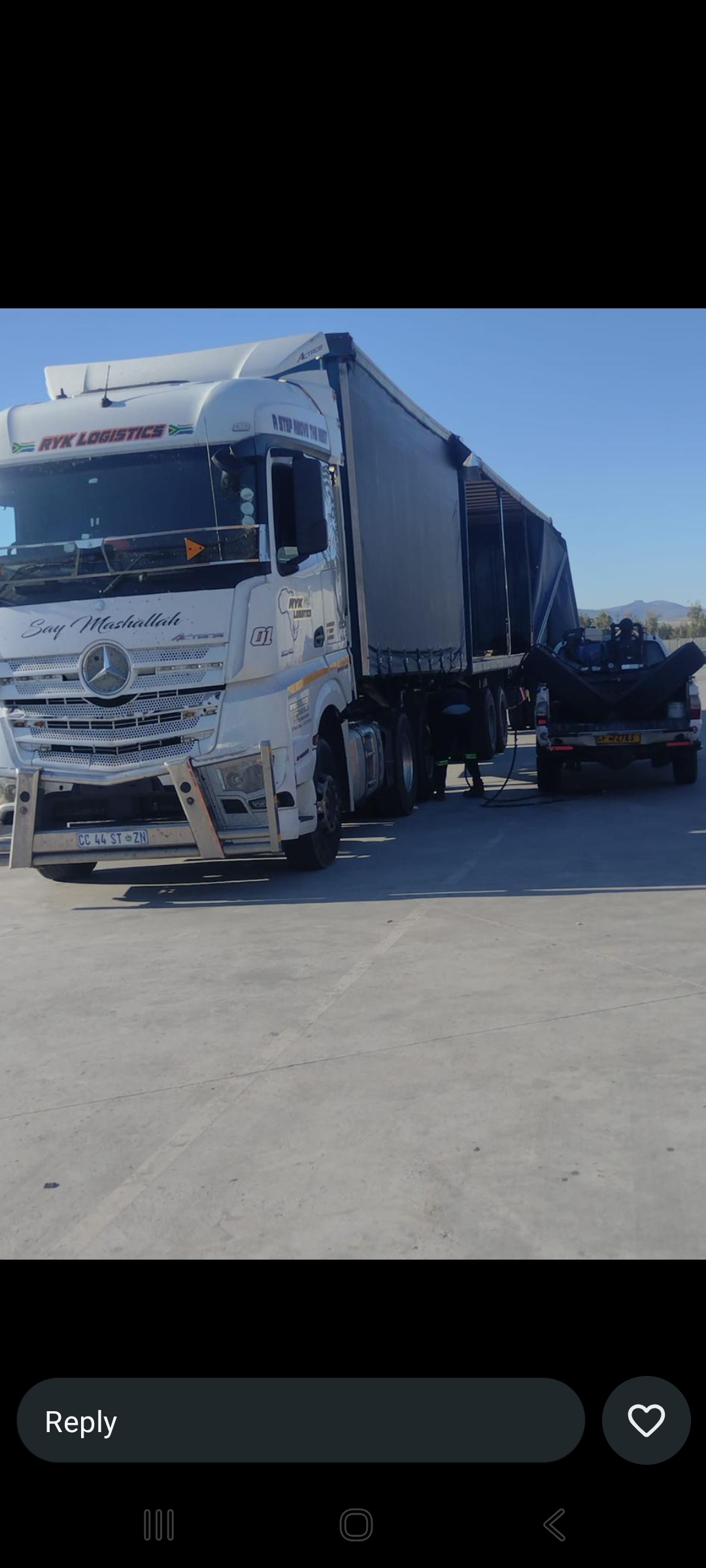
Verified transporter: cross-border truck hire from South Africa, KwaZulu-Natal, Goolam khalid khan. Full documentation, COMESA Yellow Card, TIP and transit bond support on every Southern African corridor.
Quick answer
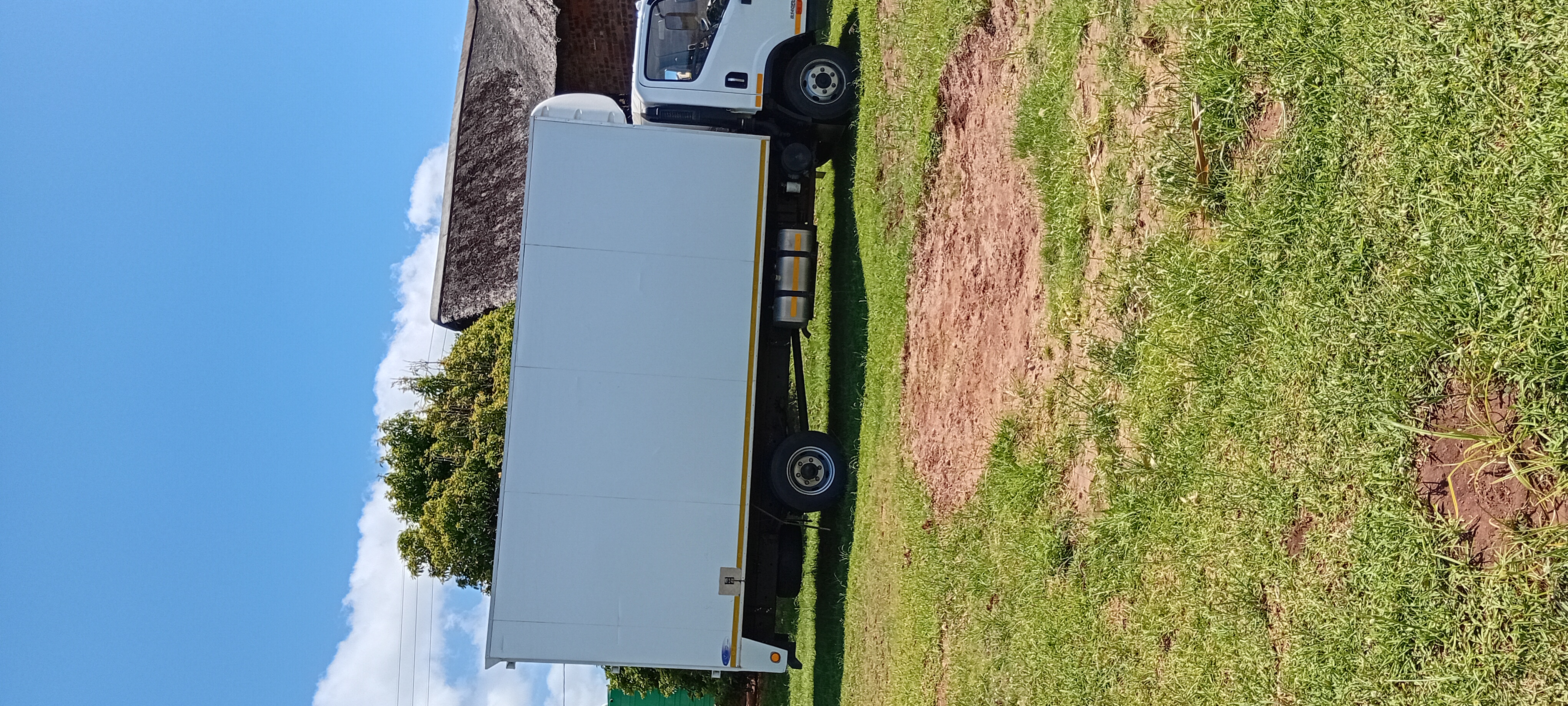
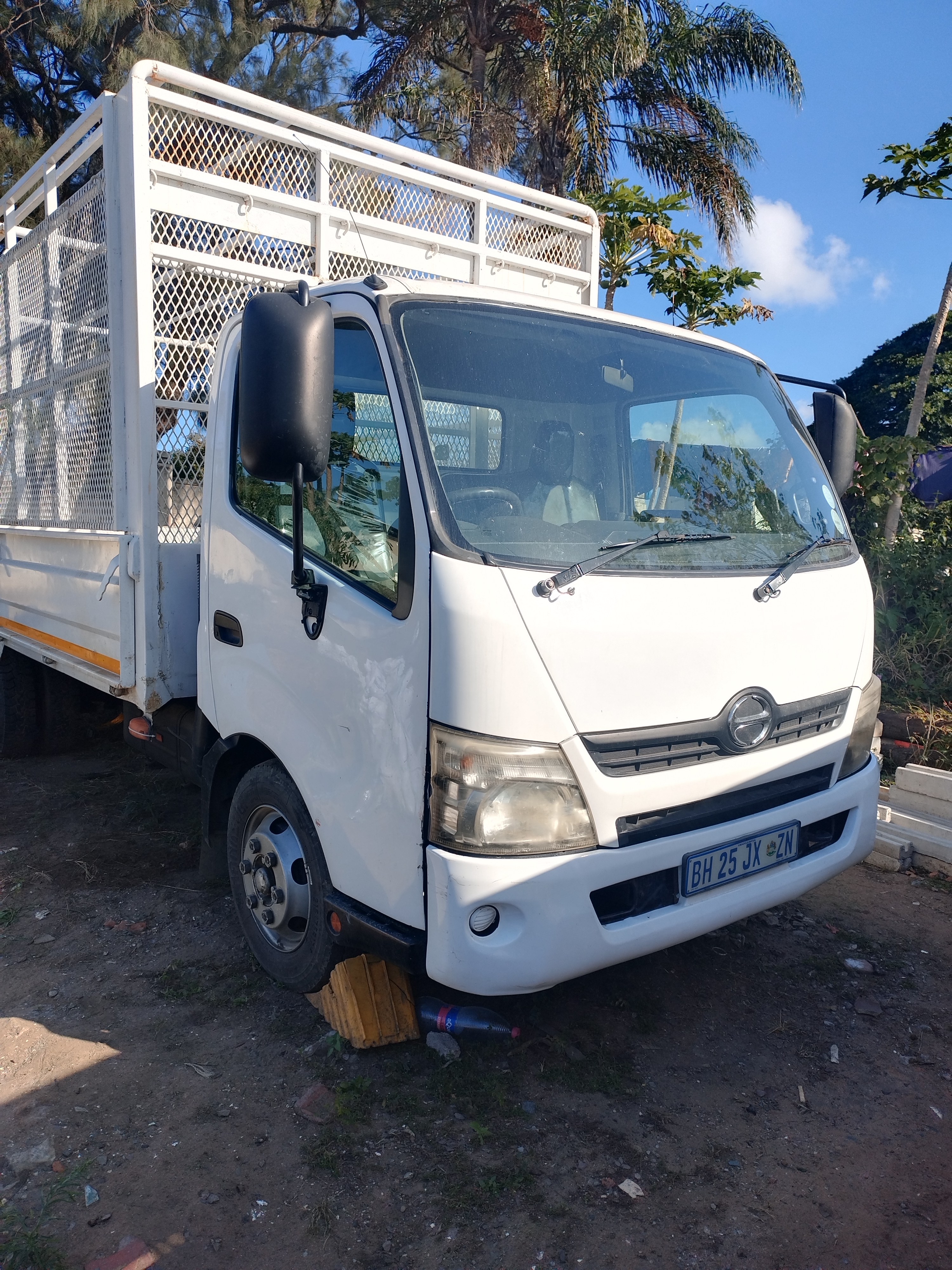
Cross-border truck hire from South Africa, KwaZulu-Natal is available into every major Southern African country — Namibia, Botswana, Zimbabwe, Zambia, Mozambique, Malawi and the DRC. Every booking includes COMESA Yellow Card third-party insurance, TIP (Temporary Import Permit) coordination, transit bond arrangement where required, and customs clearance support. Every vehicle class is available: 34 ton tautliner, flatdeck link, side tipper, reefer, superlink, and lighter trucks for smaller cross-border drops. Prices start from R1,320.00 per day or R22.00 per km with a cross-border experienced driver.
Why Cross-Border Truck Hire Is a Different Business from Domestic Hire
Moving freight across a Southern African border is not just a longer domestic trip. It is a regulated international movement that requires customs declarations, permits, bonds, and insurance recognised by every country the cargo transits. It involves border posts that can queue for hours or days. It requires drivers who know the procedure, clearing agents at every stop, and documentation that must be correct the first time — because a missing certificate at Beitbridge or Kazungula can cost days of delay and thousands of rands in standing charges.
That is why cross-border truck hire from South Africa, KwaZulu-Natal is priced higher than domestic hire and why it is a specialist service. The truck is only half the job. The other half is the documentation, the insurance, the corridor knowledge, and the clearing network that get the truck across the border and back without delays. We handle both halves — the vehicle and the compliance — so that your cargo moves on schedule and your driver is never stranded at a border post. That is what cross-border truck hire really means at the professional level, and that is what we deliver on every corridor in Southern Africa.
At a Glance — Cross-Border Truck Hire Specifications
| Destination countries | Namibia · Botswana · Zimbabwe · Zambia · Mozambique · Malawi · DRC · Eswatini · Lesotho (Angola, Tanzania, Kenya on request) |
|---|---|
| Vehicle classes | 4-5 ton · 8-10 ton · 34 ton tautliner · flatdeck link · side tipper · reefer · superlink · abnormal load |
| Third-party insurance | COMESA Yellow Card included — accepted in 19 member states |
| Cargo insurance | Goods-in-transit cover per country in transit — confirmed for each corridor |
| Border documentation | SAD500 · TIP · TEP · CN2/CN1 · transit bond · manifest · packing list · certificate of origin (where required) |
| Cross-border permit | Bilateral road transport permit arranged per destination country |
| Clearing agents | Network of clearing agents at every major SADC border post |
| Driver documents | Passport, licence, PrDP, medical certificate, destination visa where required |
| Advance notice required | 48 to 72 hours for standard cross-border trips |
| Turnaround (typical) | Gaborone 1 day · Maputo 1 day · Harare 1 day · Windhoek 1-2 days · Lusaka 2 days · Lilongwe 2-3 days · Lubumbashi 3-4 days |
| Service area | All Southern African corridors from South Africa, KwaZulu-Natal and across South Africa |
Choose Your Cross-Border Corridor
We cover every major Southern African corridor from South Africa, KwaZulu-Natal. Each corridor has its own border posts, documentation requirements, transit times, and cost profile. Here are the seven corridors most requested for cross-border truck hire.
Namibia Corridor
N14 / N7Windhoek · Walvis Bay6-8 hours to borderThe Namibia corridor runs west from Gauteng via the N14 through Upington to the Nakop / Ariamsvlei border post, or via the N7 through Springbok to Vioolsdrift / Noordoewer. From the border it continues to Keetmanshoop, Windhoek, Walvis Bay, and Swakopmund. The Walvis Bay Corridor is increasingly used for import-export trade that would otherwise route through South African ports — cargo moves from Walvis Bay to Zambia, Zimbabwe and the DRC via the Trans-Kalahari and Trans-Caprivi highways. Popular cross-border routes include South Africa, KwaZulu-Natal to Windhoek, to Walvis Bay, and to the Zambian Copperbelt via the Trans-Kalahari.
Best for: FMCG distribution, mining supplies, project cargo, agricultural goods, and general freight moving into Namibia or transiting to Zambia.
Border posts: Nakop/Ariamsvlei (primary), Vioolsdrift/Noordoewer (alternative).
Botswana Corridor
N4 / N11 / N18Gaborone · Francistown3-4 hours to borderThe Botswana corridor has multiple entry points. The main route is via the Skilpadshek / Pioneer Gate border post on the N4 near Zeerust, leading to Gaborone and onward to Francistown and Kazungula. Alternatives include Ramatlabama (N18) near Mafikeng, Martins Drift (N11) near Mokopane, and Groblersbrug (N11) near Lephalale. Botswana is a major transit country for cargo moving to Zambia and the DRC via the Kazungula Bridge, and for Zimbabwe via Francistown and Plumtree. The Kazungula Bridge (opened 2021) is now a key crossing into Zambia.
Best for: FMCG distribution to Botswana, transit cargo to Zambia and the DRC, coal and mining supplies, and general freight to Gaborone and Francistown.
Border posts: Skilpadshek/Pioneer Gate (primary), Ramatlabama, Martins Drift, Groblersbrug, Zanzibar, Stockpoort.
Zimbabwe Corridor
N1Beitbridge · Harare6-8 hours to borderThe Zimbabwe corridor runs north from South Africa, KwaZulu-Natal on the N1 through Polokwane and Musina to Beitbridge — the busiest commercial border post in Africa. Beitbridge handles thousands of trucks per day and is the gateway to Zimbabwe and onwards to Zambia via Chirundu. Commercial truck queues can range from 4 hours to more than 24 hours depending on the season, the day of the week, and the current clearance backlog. Working with a clearing agent and having all documentation pre-loaded is critical on this corridor. Popular routes include South Africa, KwaZulu-Natal to Harare, Bulawayo, Victoria Falls, and to Lusaka via Chirundu.
Best for: FMCG distribution, mining supplies, agricultural products, fuel, and general freight to Harare, Bulawayo, and transit to Zambia.
Border posts: Beitbridge (primary — the busiest in Africa).
Zambia Corridor
Beitbridge / KazungulaLusaka · Copperbelt2-day tripThe Zambia corridor can be run via two main routes. The eastern route goes through Beitbridge (Zimbabwe) and Chirundu (Zambia), running through Harare and Lusaka. The western route goes through Botswana (Skilpadshek or Martins Drift) and Kazungula (or via the new Kazungula Bridge), running through Francistown, Kasane, Livingstone, and Lusaka. Both routes converge at Lusaka and continue north to the Copperbelt (Kitwe, Ndola, Chingola) — Zambia's mining heartland and a major destination for mining supplies, machinery, and general freight. Zambia is also the transit country for cargo going into the DRC via Kasumbalesa.
Best for: mining supplies to the Copperbelt, project cargo, FMCG distribution, agricultural products, and transit cargo to the DRC.
Border posts: Beitbridge + Chirundu (eastern route), or Kazungula (western route).
Mozambique Corridor
N4Maputo · Beira4-5 hours to borderThe Mozambique corridor runs east from South Africa, KwaZulu-Natal on the N4 through Nelspruit and Komatipoort to the Lebombo / Ressano Garcia border post — the busiest border post between South Africa and Mozambique. From the border, the EN4 continues to Maputo (the capital) and onward to Xai-Xai, Inhambane, Beira, and Nacala. The Maputo Corridor is a key route for import-export cargo moving through the Port of Maputo, and for general freight to Maputo and southern Mozambique. Alternative border posts include Pafuri (Kruger North), Giriyondo (Kruger Central), and Kosi Bay (further south).
Best for: port freight via Maputo, FMCG distribution to Maputo and Beira, project cargo, and general freight to southern and central Mozambique.
Border posts: Lebombo/Ressano Garcia (primary), Pafuri, Giriyondo, Kosi Bay.
Malawi Corridor
Via Moz or ZamLilongwe · Blantyre2-3 day tripMalawi has no direct border with South Africa, so cross-border truck hire to Malawi runs via either Mozambique or Zambia. The Mozambique route goes via Komatipoort, through Maputo and Beira, then crosses into Malawi at Dedza or Mwanza — this is usually the shorter route. The Zambia route goes via Beitbridge and Chirundu into Zambia, then crosses into Malawi at Mchinji — longer but sometimes preferred for cargo originating in Zambia. Lilongwe and Blantyre are the main destinations; cargo often continues to Nkhata Bay or Mzuzu in the north.
Best for: FMCG distribution, agricultural products, project cargo, and general freight to Lilongwe and Blantyre.
Border posts: Dedza or Mwanza (via Mozambique), Mchinji (via Zambia).
DRC Corridor
Via ZambiaLubumbashi · Kolwezi3-4 day tripThe DRC (Democratic Republic of the Congo) corridor is the longest and most complex cross-border route from South Africa, KwaZulu-Natal. Cargo runs north via Beitbridge and Chirundu into Zambia, then continues through Lusaka and the Copperbelt to Kasumbalesa — the main border post between Zambia and the DRC. From Kasumbalesa the route continues to Lubumbashi, Kolwezi, and the Katanga mining region. Kasumbalesa is one of the busiest and most congested border posts in Africa — clearing times can range from 12 hours to several days. Cargo is typically mining supplies, copper concentrate (export back to Zambia), project cargo, and FMCG.
Best for: mining supplies to the Katanga Copperbelt, copper concentrate export, project cargo, and general freight to Lubumbashi and Kolwezi.
Border posts: Kasumbalesa (via Zambia — the only viable commercial route).
Cross-Border Documentation Checklist
Every cross-border trip requires the correct documentation on both the vehicle and the cargo. Missing documents cause delays, standing charges, and in some cases refusal of entry. Here is the full checklist for a standard cross-border truck hire:
| Document type | Purpose | Issued by |
|---|---|---|
| Vehicle registration certificate | Proves ownership and vehicle identity | South African licensing authority |
| Roadworthy certificate | Confirms vehicle roadworthiness | Accredited testing station |
| Operator card | Confirms operator authority | Cross-Border Road Transport Agency (CBRTA) |
| Bilateral road transport permit | Allows the vehicle to operate in the destination country | CBRTA and destination country authority |
| COMESA Yellow Card | Third-party motor insurance across 19 member states | Registered COMESA insurance provider |
| Goods-in-transit cover | Insures the cargo during the trip | Registered insurer — covers each country in transit |
| SAD500 | South African export declaration | SARS Customs (via clearing agent) |
| Bill of lading or commercial invoice | Describes the cargo for customs | Exporter / shipper |
| Packing list | Details cargo contents and packaging | Exporter / shipper |
| Certificate of origin | Confirms cargo origin for preferential tariffs | Chamber of Commerce |
| TIP (Temporary Import Permit) | Allows the vehicle to enter the destination temporarily | Destination country customs |
| TEP (Temporary Export Permit) | Records the vehicle as temporarily exported | SARS Customs |
| Transit bond (where required) | Financial guarantee for cargo in transit | Customs bond provider (via clearing agent) |
| CN2 / CN1 transit documents | SADC transit documentation | Customs at origin and each transit country |
| Phytosanitary certificate | Required for plants, seeds, fresh produce | Department of Agriculture |
| Veterinary certificate | Required for animals and animal products | State Veterinary Services |
| Dangerous goods declaration | Required for hazardous cargo | Shipper / dangerous goods specialist |
| Driver passport | Valid for at least 6 months beyond trip | Department of Home Affairs |
| Driver visa (where required) | Entry clearance for the destination country | Destination country embassy / consulate |
| Driver licence and PrDP | Confirms driver is licensed for the vehicle class | South African licensing authority |
| Driver medical certificate | Confirms medical fitness | Registered medical practitioner |
We handle or coordinate all of the above as part of the cross-border truck hire service. Documentation costs — customs fees, permits, bonds, and clearing agent charges — are quoted as disbursements at the time of booking. Tell us your destination, cargo type, and HS code at quote stage so we confirm the exact documentation requirements for your trip.
Cross-Border Transit Times from South Africa, KwaZulu-Natal
Transit times below assume a single driver, standard cargo, and typical border conditions. Peak periods — month-end, holidays, harvest season — can extend times significantly. A two-driver crew cuts total trip time by 30 to 40% on multi-day routes.
| Destination | Distance (approx.) | Transit time | Primary border post |
|---|---|---|---|
| Gaborone (Botswana) | 360 km | 6 – 8 hours | Skilpadshek / Pioneer Gate |
| Maputo (Mozambique) | 570 km | 8 – 10 hours | Lebombo / Ressano Garcia |
| Windhoek (Namibia) | 1,400 km | 24 – 30 hours | Nakop / Ariamsvlei |
| Walvis Bay (Namibia) | 1,650 km | 30 – 36 hours | Nakop / Ariamsvlei |
| Harare (Zimbabwe) | 1,100 km | 18 – 24 hours | Beitbridge |
| Bulawayo (Zimbabwe) | 1,050 km | 16 – 22 hours | Beitbridge |
| Lusaka (Zambia) | 1,650 km | 30 – 36 hours | Beitbridge + Chirundu or Kazungula |
| Kitwe / Ndola (Zambia) | 1,950 km | 36 – 44 hours | Beitbridge + Chirundu or Kazungula |
| Lilongwe (Malawi) | 2,300 km | 40 – 52 hours | Via Mozambique or Zambia |
| Blantyre (Malawi) | 2,100 km | 38 – 48 hours | Via Mozambique |
| Lubumbashi (DRC) | 2,700 km | 60 – 76 hours | Beitbridge + Chirundu + Kasumbalesa |
| Kolwezi (DRC) | 3,100 km | 72 – 96 hours | Beitbridge + Chirundu + Kasumbalesa |
For time-critical cargo, ask about a two-driver relay crew and priority clearing arrangements. Cross-border projects with tight delivery windows should be booked at least 1 week in advance.
Which Vehicle Class for Your Cross-Border Cargo?
| Vehicle class | Best for | Typical corridor |
|---|---|---|
| 34 ton tautliner | General freight, palletised goods, FMCG | All corridors |
| 34 ton flatdeck link | Containers, steel, project cargo, machinery | All corridors |
| 34 ton side tipper | Bulk commodities — coal, chrome, maize, fertiliser | Namibia, Botswana, Zimbabwe, Zambia, Mozambique |
| 34 ton refrigerated trailer | Perishables — food, dairy, meat, pharma | All corridors (with cold chain border standby) |
| 34 ton superlink | Maximum-volume long-haul freight | Namibia, Botswana, Zimbabwe, Zambia |
| 8-10 ton rigid | Smaller cross-border drops, regional distribution | Namibia, Botswana, Mozambique |
| 4-5 ton rigid | Small loads, urgent deliveries, sample runs | Namibia, Botswana, Mozambique, Zimbabwe |
| Abnormal load rig | Oversize project cargo — transformers, mining plant | Zambia, DRC (with route surveys) |
Cross-Border Truck Hire Prices
Cross-border pricing includes the vehicle, driver, COMESA Yellow Card, documentation coordination, and clearing agent network access. Customs duties, bond fees, permits, and clearing disbursements are quoted separately. The two standard options below cover the vast majority of cross-border bookings.
Option 1 — Truck + Driver
Single driver, standard route
R 1,320.00 / Day
R 22.00 / km
Cross-border experienced driver, COMESA Yellow Card, documentation coordination included. Fuel, tolls, customs, and disbursements excluded.
Enquire NowOption 2 — Full Cross-Border Service
Two-driver relay + full documentation Best value
R 1,540.00 / Day
R 24.20 / km
Two-driver relay for faster delivery, full documentation handled, clearing agents arranged at every border, GIT cover confirmed per country.
Chat on WhatsAppWhat Affects the Cost of Cross-Border Truck Hire?
- Destination country: further countries cost more per trip because of additional transit days, additional permits, additional GIT cover, and additional clearing agent fees. DRC and Malawi are the most expensive; Namibia, Botswana and Mozambique the least.
- Vehicle class: a 34 ton rig with a superlink costs more than an 8-10 ton rigid, and cross-border reefers cost more than dry freight because of the refrigeration unit and standby diesel requirements.
- Distance and travel days: the per-kilometre rate is the base, and each extra day on the road adds driver accommodation, meals, and standing costs.
- Driver crew: a single driver is cheaper but slower on long routes. A two-driver relay crew adds a daily cost but saves one or two nights of total trip time on routes to Zambia, Malawi and the DRC.
- Bilateral permit: each destination country requires a bilateral road transport permit issued by the CBRTA. Permit fees vary by country and cargo type.
- COMESA Yellow Card: included in every cross-border booking, but the premium varies based on the destination countries and the declared value of the vehicle.
- Goods-in-transit cover: confirmed per country in transit. Cover for high-value cargo (electronics, pharmaceuticals, project cargo) costs more than cover for low-value bulk goods.
- Transit bond: required when cargo moves through a country without being cleared for import there. Bond fees are quoted per trip and per bond period.
- Clearing agent fees: charged per border crossing per side. Complex clearances (dangerous goods, non-standard tariff codes, project cargo) cost more than standard clearances.
- Border waiting time: long queue times at busy posts (Beitbridge, Kasumbalesa) can extend total trip time by 12 to 48 hours. Priority clearances are available at additional cost on some corridors.
- Return load: if the truck can secure a backload (return cargo), the total cost per trip drops significantly. Ask about backload availability when booking.
- Duration: repeat contracts and monthly agreements attract significant discounts over single-trip pricing.
Industries We Serve with Cross-Border Truck Hire
- Mining supply: equipment, consumables, spares, and fabricated steel to the Zambian Copperbelt, DRC Katanga, and Zimbabwe.
- Copper and cobalt: concentrate and cathode export from the DRC and Zambia via Beitbridge and Durban, or via Walvis Bay.
- Coal and chrome: bulk export from Mpumalanga and the North West via Maputo and Richards Bay to global markets.
- FMCG distribution: national chain store replenishment into Namibia, Botswana, Zimbabwe, Zambia, Mozambique, and Malawi.
- Agricultural products: grain, fertiliser, seed, and fresh produce into Zimbabwe, Zambia, Malawi, and the DRC.
- Fuel and lubricants: cross-border fuel delivery into Botswana, Zimbabwe, Zambia, and Mozambique.
- Project cargo: transformers, turbines, mining plant, and infrastructure equipment to remote project sites.
- Pharmaceuticals: validated cold chain delivery to health ministries, hospitals, and distribution networks across the region.
- Automotive: vehicle parts, components, and finished vehicles into regional dealerships and assembly plants.
- Construction materials: cement, steel, roofing, and fittings to regional construction and infrastructure projects.
- Beverage distribution: alcoholic and non-alcoholic beverages into regional bottling plants and distribution centres.
How to Book a Cross-Border Truck
- Tell us your destination and cargo. Enter your pickup point, destination country and city, cargo description, weight, and dimensions in the free estimate form on this page.
- Get an instant distance estimate. Our system calculates the base road distance and fare estimate instantly. A cross-border specialist then confirms the final quote with documentation, permits, insurance, and clearing fees.
- Choose your vehicle class and driver crew. 34 ton tautliner, flatdeck link, side tipper, reefer, superlink, 8-10 ton, or abnormal load. Single driver or two-driver relay crew.
- Confirm your booking. Submit the form or message us on WhatsApp. You will receive written confirmation with the vehicle, driver details, documentation status, expected transit time, and final price.
- Documentation preparation. We coordinate SAD500, TIP, TEP, bilateral permits, COMESA Yellow Card, transit bond, and clearing agents. Our team confirms the exact documentation set for your cargo and destination 48 to 72 hours before departure.
- Departure and tracking. Your driver departs with the full document pack. Live GPS tracking follows the trip across every border, and we update you on border arrival, clearance, and delivery status.
- Proof of delivery. On arrival we provide a signed POD, and confirm the vehicle's return or backload status.
Why Choose WeTransport for Cross-Border Truck Hire
Every Southern African Corridor
Namibia, Botswana, Zimbabwe, Zambia, Mozambique, Malawi, DRC, Eswatini, Lesotho — and Angola, Tanzania, and Kenya on request.
Full Documentation Support
SAD500, TIP, TEP, bilateral permits, COMESA Yellow Card, transit bond, and clearing agent coordination on every trip.
COMESA Yellow Card Included
Every cross-border booking includes valid third-party insurance for all 19 COMESA member states — no vehicle leaves without it.
Clearing Agents at Every Border
Established clearing agents at Beitbridge, Komatipoort, Nakop, Skilpadshek, Chirundu, Kazungula, Kasumbalesa, and every other major post.
Cross-Border Experienced Drivers
Drivers who know the corridors, the border procedures, and the queues — with valid passports, PrDPs, and destination visas where required.
Transparent Disbursement Pricing
Clear per-day and per-kilometre rates, with customs duties, bond fees, permits, and clearing agent charges quoted separately as disbursements.
Cross-Border Truck Hire from Goolam khalid khan and Across South Africa
We arrange cross-border truck hire from South Africa, KwaZulu-Natal and throughout South Africa. Major origin cities we service include South Africa, KwaZulu-Natal, Johannesburg, Pretoria, Durban, Cape Town, Port Elizabeth, East London, Bloemfontein, Polokwane, Nelspruit, Rustenburg, Witbank, Richards Bay, and Gaborone (via Botswana). All major corridors are covered from every origin point.
Insurance, Tracking & Compliance
- Third-party insurance: Yes Active — valid in all 19 COMESA member states
- Live tracking: Live GPS tracking across all borders
- Goods in transit: Yes Active — confirmed for each country in transit
- Vehicle compliance: current licence disc, roadworthy certificate, operator card, and CBRTA cross-border authorisation
- Driver compliance: valid licence for the vehicle class, valid PrDP for goods transport, medical certificate, passport valid for 6+ months, and destination visa where required
- Customs compliance: SAD500 export declaration, TIP or TEP, bilateral permits, transit bond, CN2/CN1 SADC transit documentation, and correct HS tariff codes
- Agricultural compliance: phytosanitary certificates for plants and seeds; veterinary certificates for animals and animal products
- Dangerous goods compliance: ADR-compliant documentation, qualified dangerous goods drivers, and specialised handling for hazardous cargo
- Abnormal load compliance: route surveys, permits, and escorts arranged for over-dimensional or over-mass project cargo